Behind the Scenes: Writing Poetry with Sarah Rylie
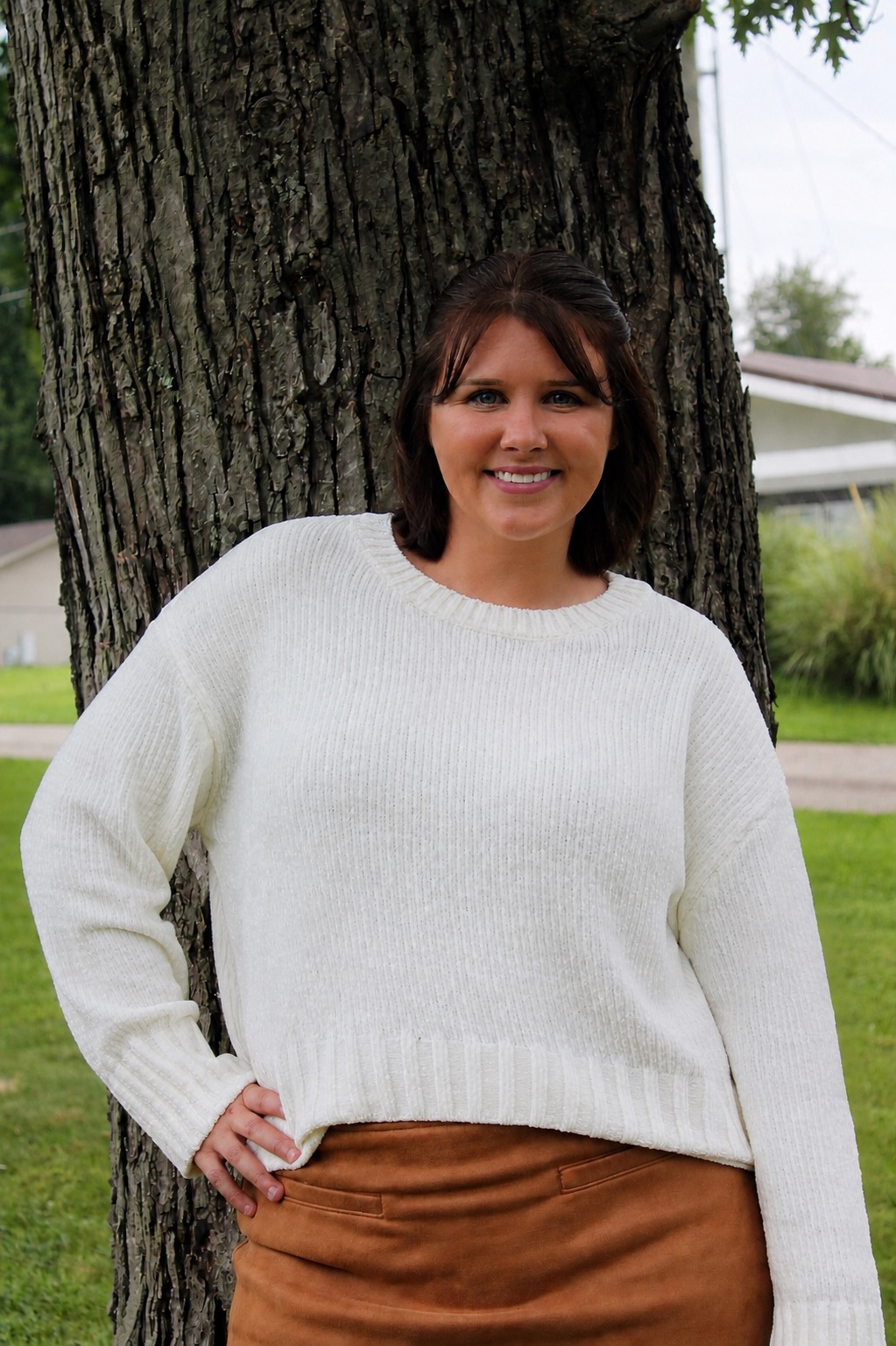
Poetry has a unique way of capturing emotions and experiences, often in a few carefully chosen words. For many, it serves as a form of expression, a way to connect with others, or even a therapeutic outlet. In this blog post, we take you behind the scenes with Sarah Rylie, a talented poet whose work resonates with many. We will explore her creative process, the challenges she faces, and the inspiration that fuels her writing.

The Journey of a Poet
My journey into poetry began in my childhood. Growing up, I found solace in words. My early experiences with nature, the world around me, and the deep emotions I felt sparked a desire to express my thoughts and feelings through poetry.
Finding Inspiration
Inspiration can come from various sources, and for me, it often stems from my experiences in life and my surroundings. I believe that everyday moments can spark profound poetry. Whether it’s a walk in the park, a conversation with a friend, or even a fleeting thought, I capture these experiences in my writing.
For example, one of my poems was inspired by a rainy afternoon. The sound of raindrops against my window led me to reflect on themes of solitude and connection. This poem resonated with many readers, showcasing how personal experiences can touch a wider audience.
The Writing Process
My writing process is both structured and fluid. I often start with a freewriting session, allowing my thoughts to flow without judgment. This technique helps me overcome writer's block and discover new ideas. After the initial draft, I revisit my work, refining it through multiple revisions.
Here’s a glimpse into my typical writing routine:
Morning Inspiration: I begin my day with a cup of coffee or red bull (I know, red bull is bad habit I need to cut) and a few moments of reflection. I sometimes jot down thoughts or observations from my morning in my journal.
Freewriting: I sit down for 15-20 minutes and write continuously, focusing on whatever comes to mind.
Revising: After a break and getting things done around the house, I revisit my freewriting, selecting lines or ideas that resonate. This is where the real crafting begins.
Feedback: I values feedback from the various people in my life, which helps me see my work from different perspectives.
Final Touches: Once I feel satisfied, I polish my poem, paying attention to rhythm, imagery, and emotional impact.
Overcoming Challenges
Every poet faces challenges, and I am no exception. One of my biggest hurdles is dealing with self-doubt. I often question whether my work is good enough or if it will resonate with readers. To combat this, I remind myself of the importance of authenticity in my writing.
The Role of Community
I emphasize the significance of community in my journey. Engaging with fellow poets and writers has provided me with support and encouragement. I participate in local poetry events, where I can share my journey and connect with others who share my passion.
Balancing Life and Writing
Finding time to write amidst life’s responsibilities can be challenging. I balance my writing with my personal life by setting aside dedicated time each week. I treat my writing sessions as appointments, ensuring I prioritizes my craft.
The Impact of Poetry
Poetry has the power to evoke emotions and provoke thought. I believe that my work can create connections among readers, allowing them to see their own experiences reflected in my words.
Engaging with Readers
I actively engage with my audience through readings and social media. I enjoy hearing how my poems resonate with others and often share snippets of my work online. This interaction not only motivates me but also fosters a sense of community among my readers.
The Future of Her Work
Looking ahead, I aim to publish a collection of my poems. I envision a book that encapsulates my journey as a poet, showcasing my growth and the themes that have shaped my writing. My upcoming collection is beginning to become my favorite so far, featuring gothic and Poe-inspired vibes.
Conclusion
Writing poetry is a deeply personal journey, filled with both challenges and rewards. My dedication to my craft and my ability to draw inspiration from everyday life serve as a reminder of the beauty of poetry. By sharing my experiences and insights, I invite us all to explore our own creativity and find our voices.
As you reflect on this journey, consider what inspires you. What moments in your life could be transformed into poetry? Embrace the process and let your words flow.

Comments